Crawl space encapsulation gets a lot of hype, and not every Wisconsin home even has a crawl space to encapsulate. But for the homes that do — and that have the problems encapsulation fixes — it can be one of the most worthwhile upgrades you make. The honest answer to 'is it worth it' depends on what your crawl space is doing to your home. Here's how to decide.
First: Does Your Home Even Have a Crawl Space?
Let's be honest about this: nearly every home in Wauwatosa and the surrounding Milwaukee area has a full basement, not a crawl space. Crawl spaces here are less common and are usually found under additions, sunrooms, porches, and some postwar homes. So before considering encapsulation, confirm you actually have a crawl space — and where. If your home is a typical Wauwatosa bungalow with a full basement, encapsulation isn't relevant to you; basement waterproofing is.
If you do have a crawl space — say, under a sunroom addition that's always cold and musty — then encapsulation may be exactly the right fix.
What Encapsulation Actually Fixes
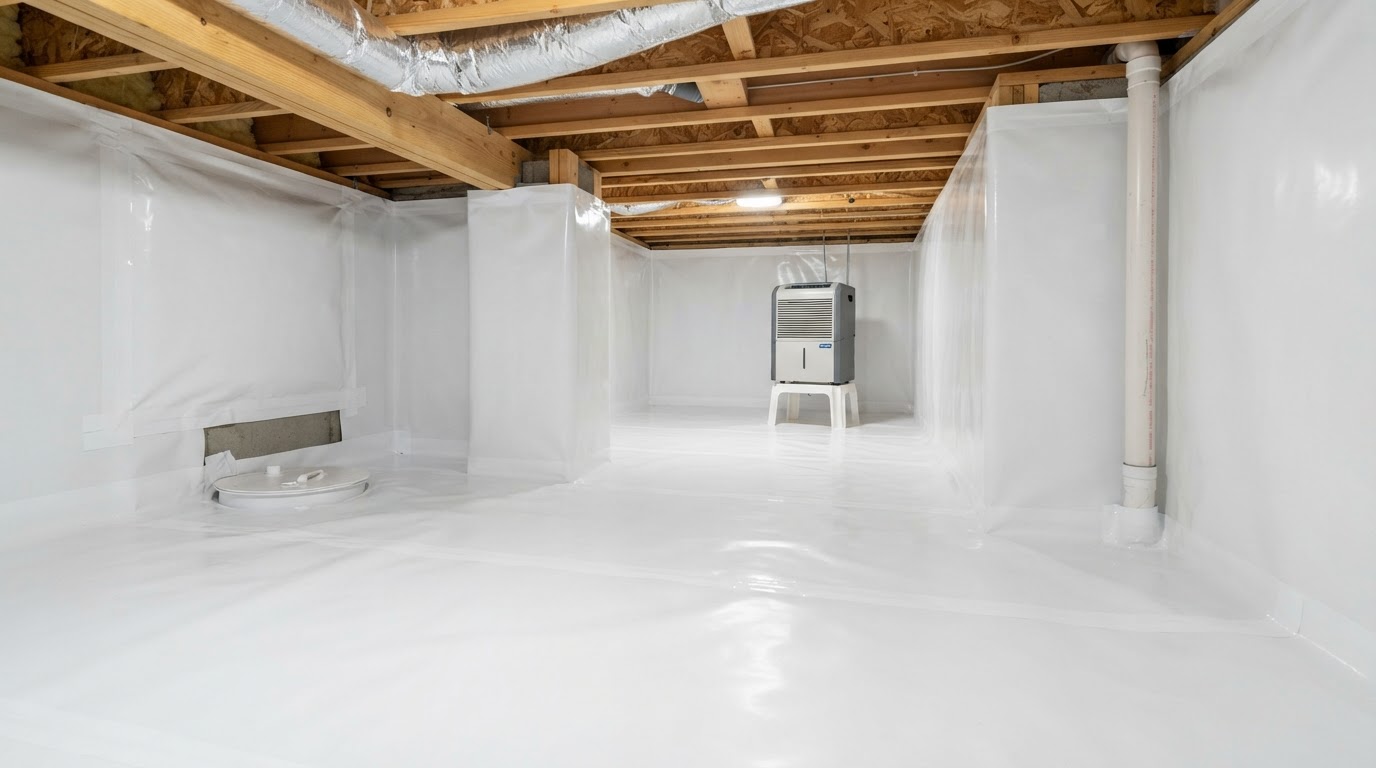
An unsealed crawl space is basically a damp, vented hole under your floor. Ground moisture rises into it, humid summer air flows through the vents and condenses on cool surfaces, and in winter the cold air chills your floors and any pipes running through the space. Encapsulation seals the ground with a heavy vapor barrier, closes the vents, and usually adds a dehumidifier and insulation. That addresses a stack of problems at once.
The problems it fixes: high humidity and the musty smell that comes with it, mold and mildew growth, pests that like damp dark spaces, cold floors above the crawl space, frozen pipes in winter, and higher energy bills from a space that's fighting your heating and cooling. If you have several of these, encapsulation is doing a lot of work for the money.
When It's Clearly Worth It
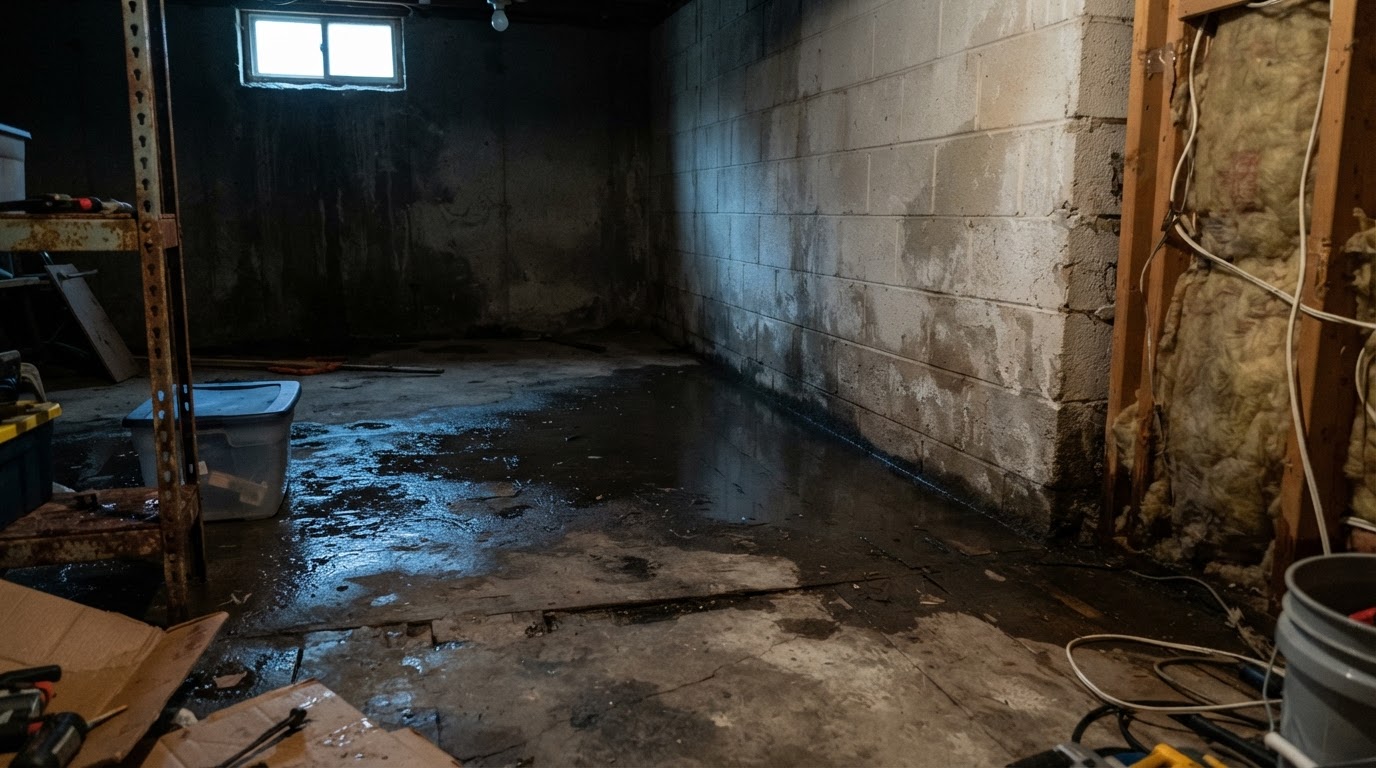
Encapsulation is most clearly worth it when the crawl space is actively causing problems inside the home. If the floor above it is cold in winter, if the room smells musty, if you've seen mold or pest activity, or if pipes have frozen in the space, encapsulation directly addresses the cause. In those cases you're not just paying for a vapor barrier — you're fixing comfort, air quality, and a real risk of frozen-pipe damage.
It's also worth it if the crawl space connects to or shares air with the rest of the house. A vented, damp crawl space affects the air on the floor above it more than most people realize.
When It May Not Be Worth It
Encapsulation may not be worth it if the crawl space is small, dry, well-ventilated, and not causing any problems inside the home. If your floors are warm, there's no musty smell, no mold, and no frozen-pipe risk, the upgrade is more about prevention than solving a current issue. Prevention has value, but it's a different calculation than fixing an active problem.
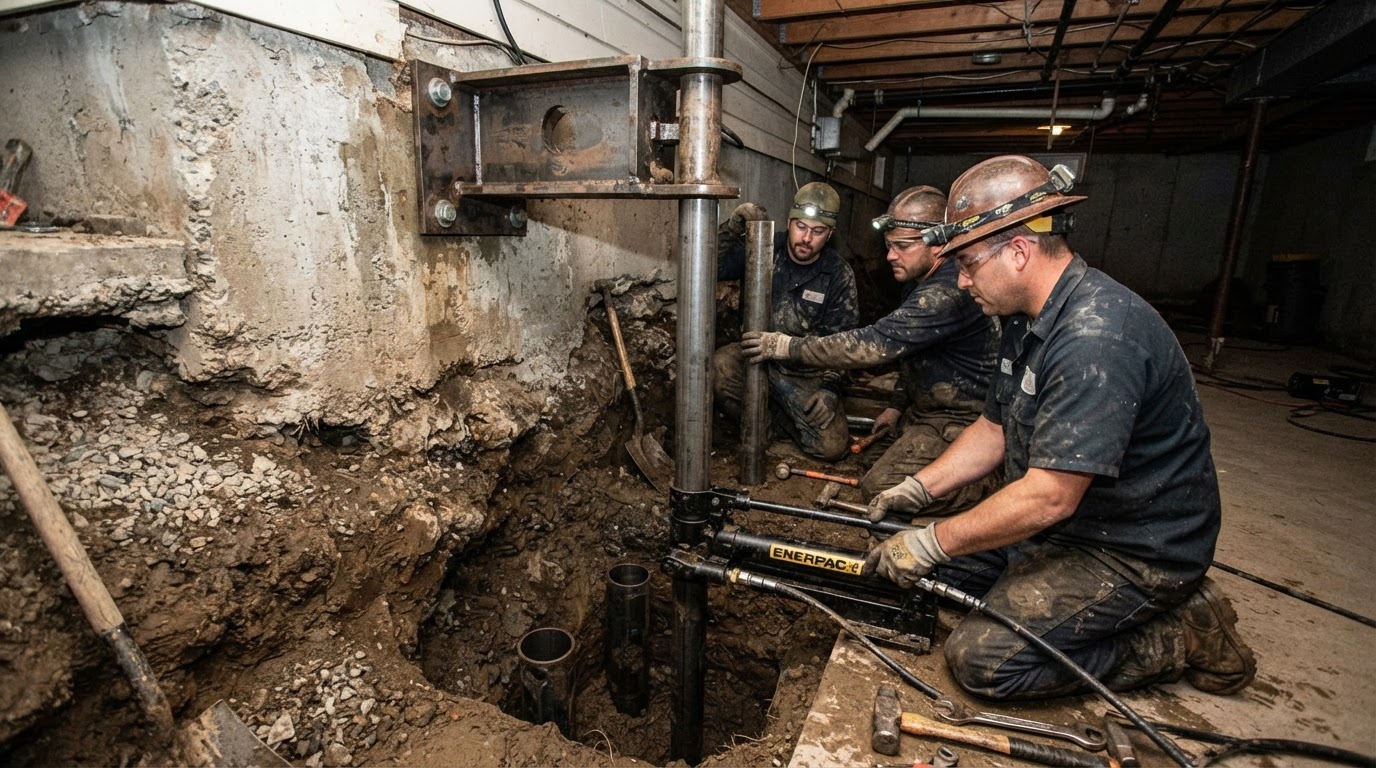
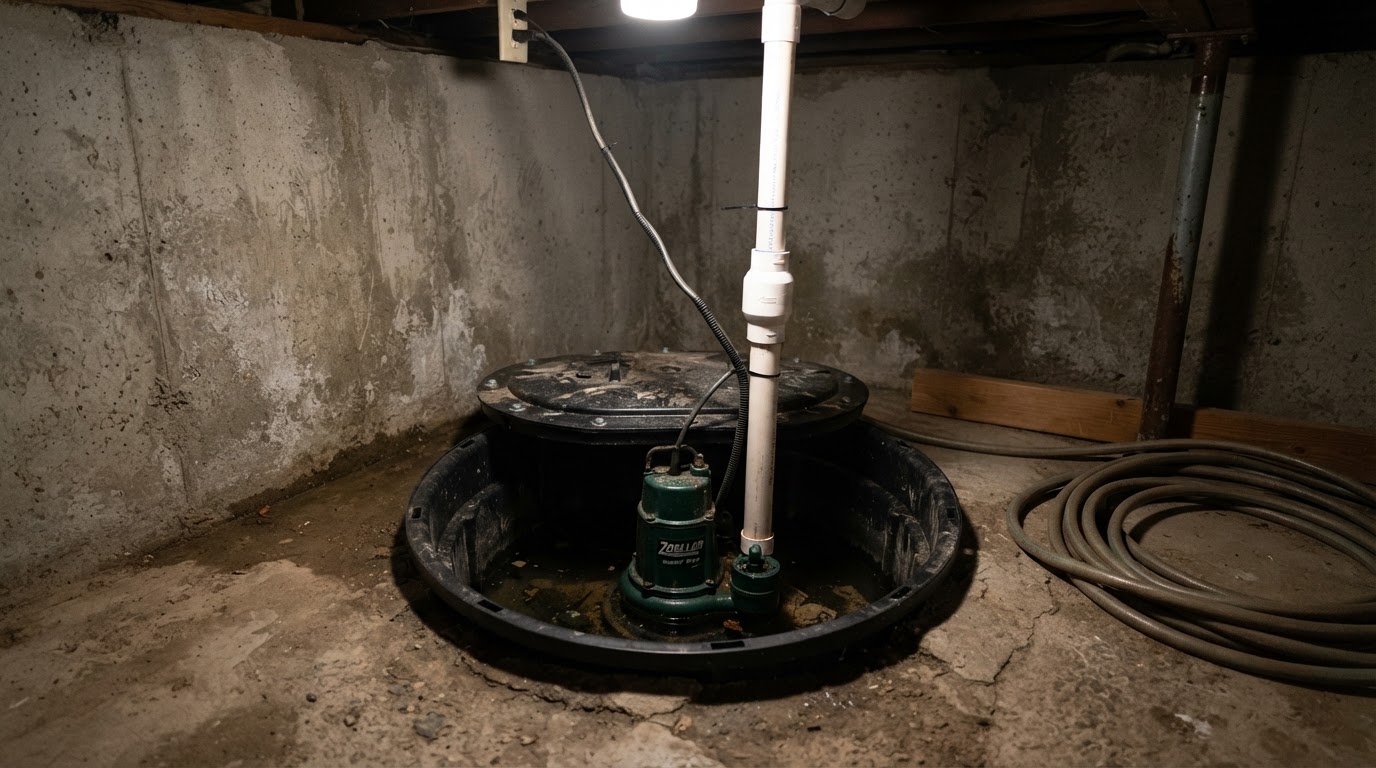
It's also not the right move if the real issue is a foundation or drainage problem — for example, water pooling under the house because of poor grading. In that case, fix the water source first; encapsulating over an active water problem traps moisture underneath.
What the Process Involves
A proper encapsulation isn't just laying down plastic. It starts with addressing any standing water or drainage issue, then sealing the ground and walls with a heavy, reinforced vapor barrier taped and sealed at every seam. Vents are sealed, the access door is weather-stripped, and insulation is added to the walls or floor above. A dehumidifier with a drain keeps humidity controlled long-term. Done right, it turns a damp, vented space into a clean, dry, conditioned one.
The result is a space that stops contributing moisture and cold air to the home above it — which is the whole point.
How to Decide for Your Home
If you have a crawl space and any of the problems above — cold floors, musty smells, mold, pests, frozen pipes, high bills — encapsulation is likely worth it, because it fixes several of them at once. If the space is dry and causing no issues, it's more of a preventive choice. The best way to decide is a free inspection: we'll look at the space, tell you whether encapsulation makes sense, and whether there's a water or drainage issue to fix first.
Frequently Asked Questions
Do I need to encapsulate if my crawl space is already dry?
Not necessarily. If the space is dry, well-ventilated, and not causing cold floors, musty smells, mold, or frozen-pipe problems, encapsulation is a preventive upgrade rather than a fix. It still has value — a sealed space stays dry and doesn't affect the air above it — but the payoff is less obvious than when you're solving an active problem. An inspection can help you weigh it.
Will encapsulation lower my energy bills?
It can, especially if the crawl space is currently vented and your floors above it are cold. Sealing and insulating the space stops cold air from chilling the floor and reduces the work your heating system does. How much you save depends on the size of the space and how leaky it was before. We can't promise a specific dollar figure, but comfort usually improves noticeably in the room above.
Should I close my crawl space vents in winter?
Generally yes — in a humid summer climate, open vents let warm moist air in that condenses on cool surfaces, and in winter they let cold air in that chills floors and pipes. Encapsulation seals the vents year-round and controls humidity with a dehumidifier instead. If you're not ready to encapsulate, closing vents in winter is a reasonable stopgap, but it doesn't solve the underlying moisture issue the way encapsulation does.