Wauwatosa's Local Specialists
Foundation Settling Repair in Wauwatosa, WI
Call now for a free inspection and honest answers about your home.
Foundation Settling Repair in Wauwatosa, WI
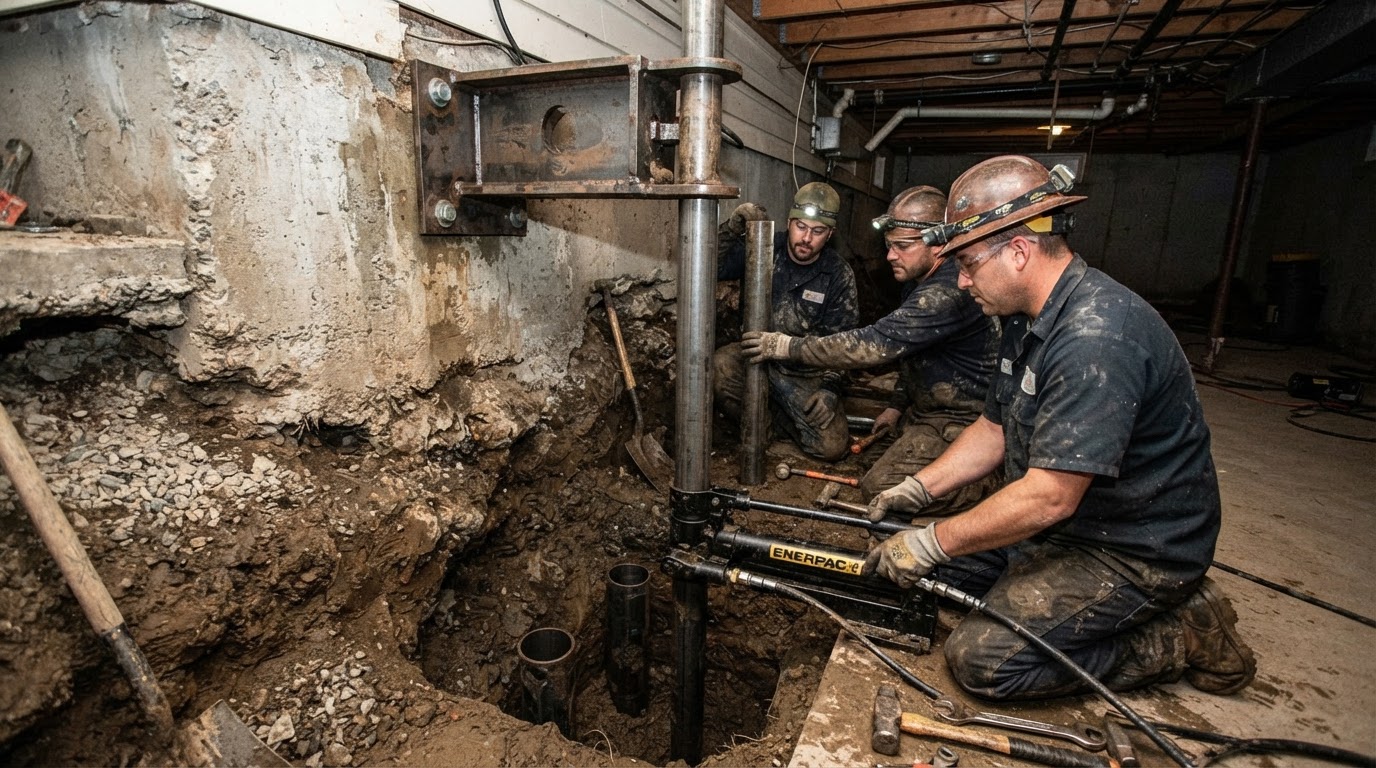
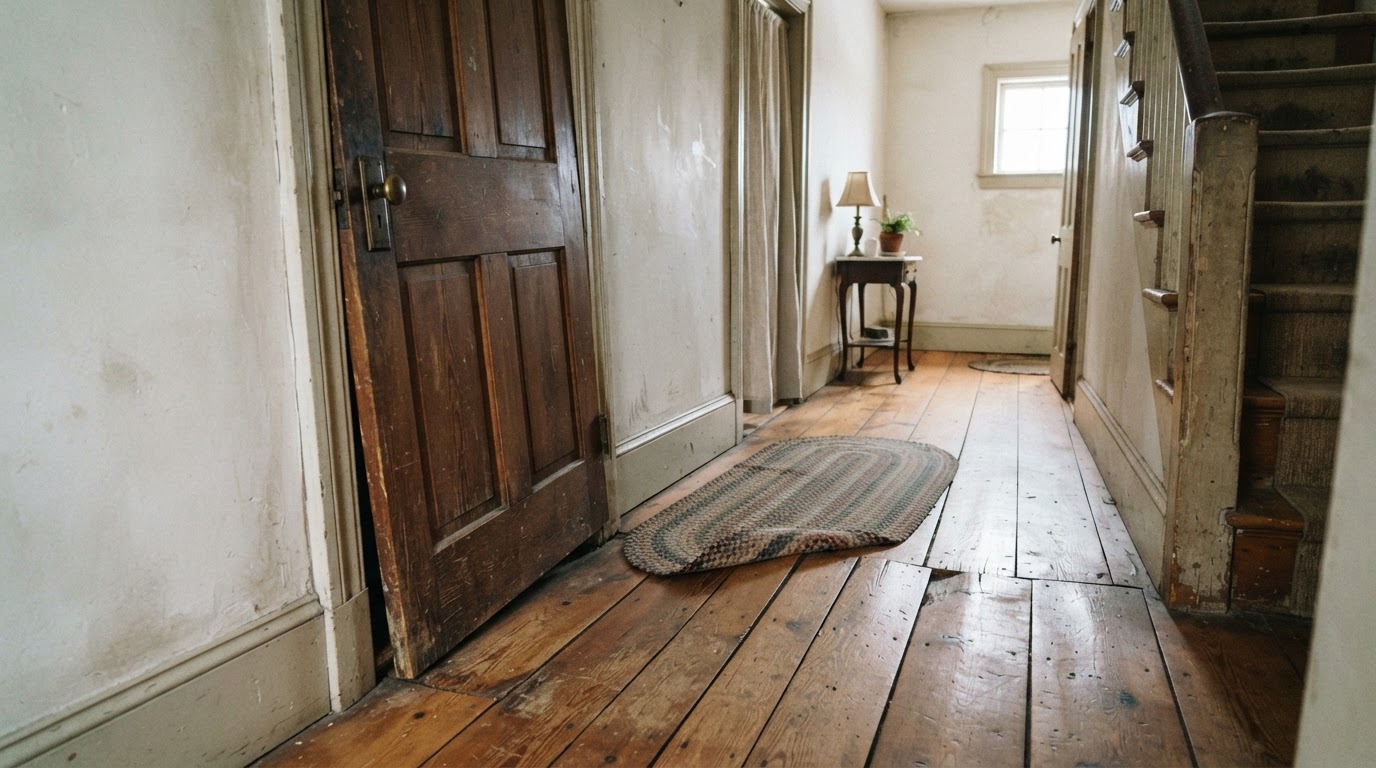
If your floors are starting to slope, your doors and windows are sticking, or you're seeing stair-step cracks in your brick or block, your foundation may be settling — sinking unevenly into the soil below. Foundation settling repair stops that downward movement by transferring the weight of the home off the unstable soil and onto solid bearing, usually with steel push piers or helical piers (underpinning). We diagnose why your home is settling, stabilize it, and give you a written estimate before any work starts. This page is about the home moving down; if your walls are bowing or leaning inward, that's a different problem we cover on our structural foundation repair page.
Proud to Serve Wauwatosa & Greater Milwaukee
We help homeowners across Wauwatosa and the surrounding Milwaukee County and Waukesha County communities.
What's Included
Settling diagnosis
Sloping floors, sticking doors and windows, and gaps at trim traced to their real cause.
Stair-step & drywall cracks
Cracks in brick, block, and drywall assessed to tell settling apart from other movement.
Steel push piers
Piers driven to solid bearing to lift and stabilize settled footings and stop downward movement.
Helical piers / underpinning
Screw-in piers for lighter loads or tricky access, used to underpin and support the footing.
Leaning chimney stabilization
Chimneys that have pulled away from the home inspected and re-supported as needed.
Why This Happens in Wauwatosa
Settling is common in Wauwatosa and across Greater Milwaukee because of the soil these homes sit on. Southeastern Wisconsin sits on glacial till with a lot of heavy clay, which swells when it's wet and shrinks when it's dry. That shrinking and swelling cycles the soil under your footings, and over decades a footing can settle unevenly — especially near downspouts that dump water close to the house. Much of the housing in Wauwatosa, West Allis, Shorewood, and Milwaukee dates from the 1910s to the 1950s, so these foundations have had a long time to move. Winters are long and the ground freezes several feet deep, and repeated freeze-thaw cycles widen cracks year after year. Spring snowmelt and intense summer thunderstorms saturate the ground quickly, which speeds settling. The Menomonee River, Honey Creek, and Underwood Creek run through Wauwatosa and its neighbors, and homes near those waterways often see the most movement.
How to Help Prevent It
- Keep gutters clean and extend downspouts well away from the house so water doesn't pool next to the footing.
- Grade the soil around the foundation so it slopes away, not toward, the walls.
- Watch for early signs — sticking doors, new cracks, sloping floors — and have them checked before they worsen.
- Fix plumbing leaks under or near the slab quickly so the soil beneath doesn't wash out or soften.
- Avoid planting water-hungry trees right next to the foundation, since roots can pull moisture from the clay and worsen shrinking.
Cost Guide
Every home is different, so we price every job after a free inspection. Here's what shapes the cost.
| Repair type | Typical price | What affects cost |
|---|---|---|
| Single-corner pier stabilization | Free quote after inspection | Driven by the number of piers needed, depth to solid bearing, and interior vs. exterior access. |
| Multi-pier underpinning | Free quote after inspection | More piers and more footing length raise the cost; exterior access is usually less than interior. |
| Leaning chimney re-support | Free quote after inspection | Depends on how far the chimney has moved and whether it needs piers or a helical bracket. |
| Crack repair after stabilization | Free quote after inspection | Often cosmetic sealing of stair-step or drywall cracks once movement has stopped. |
Why Choose Us for Foundation Settling Repair
We find the cause first
We diagnose why your home is settling before recommending piers — not the other way around.
Stabilize, don't just patch
Piers transfer the load to solid bearing so the movement stops, not just the cracks.
Clear written estimate
You see the number of piers, the scope, and the price before we start.
Local soil knowledge
We know the clay and freeze-thaw that drive settling in Wauwatosa-area homes.
Get Your Free Estimate
No obligation. We'll take a look and give you straight answers about your foundation or basement.
Our Process
- 1
You call or request an estimate, and we schedule a free inspection.
- 2
We measure floor slope, map the cracks, and identify which part of the foundation is settling and why.
- 3
We explain whether piers are needed, how many, and where, with a written quote.
- 4
We install steel or helical piers to transfer the footing's load to solid bearing and stabilize the home.
- 5
We document the lift and leave you with a record of what was done and where.
Foundation Settling Repair FAQ
Is foundation settling normal in an older home?
Some minor, long-settled movement is common in homes built decades ago and doesn't always need repair. The question is whether it's active — still moving — or old and stable. Sloping floors that get worse, doors that start sticking, and cracks that widen over time point to active settling. An inspection tells you which you're dealing with and whether piers are warranted.
How do piers stop settling?
Steel push piers or helical piers are driven down past the unstable clay to solid bearing strata, then brackets transfer the weight of your home off the soft soil and onto the piers. That stops the downward movement and can often lift the settled area back toward level. The number and placement of piers depends on how much of the foundation has moved.
Will my cracks close up after piers?
Lifting a settled footing often closes or narrows stair-step and drywall cracks, but we don't promise a perfect cosmetic result — the goal is to stop the movement. Once the home is stable, cracks can be sealed and finished. We'll set honest expectations about what lifting will and won't fix before we start.
What's the difference between settling and a bowing wall?
Settling is the home moving down — sinking into the soil, which shows up as sloping floors and stair-step cracks. A bowing or leaning wall is moving inward, pushed by soil pressure, which shows up as horizontal cracks and a wall that's no longer plumb. They're different problems with different fixes. If yours is inward wall movement, see our structural foundation repair page.
Our Other Services
One local team for the full range of foundation, basement, and crawl space work.
Request Your Free Estimate
Tell us what's going on and we'll get back to you quickly. No obligation, no pressure — just straight answers about your home.
Prefer to talk? Call (414) 386-5999.
Your details are used only to contact you about your project.