Wisconsin homeowners often ask whether there's a wrong time to waterproof a basement. The short answer: you can waterproof almost any time of year, and the best time is before the next big storm — not after. But timing does affect scheduling, cost, and how smoothly the work goes. Here's how Wisconsin's seasons shape the best time to waterproof.
Spring: The Season That Reveals Problems
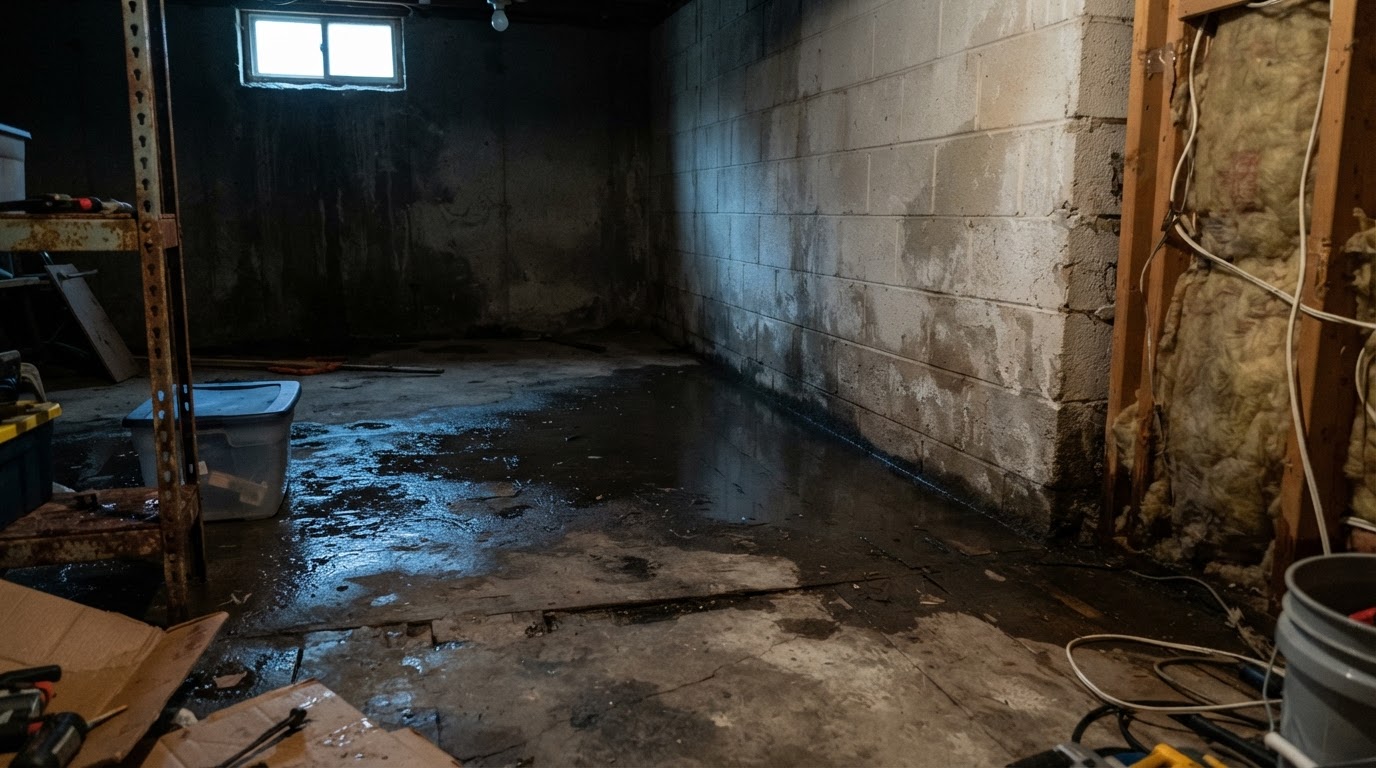
Spring is when most homeowners discover they have a water problem. Snowmelt and spring rain saturate the ground quickly, and the heavy clay soil common around Wauwatosa holds that water against basement walls. If your basement is going to leak, spring is usually when it happens. The downside of spring is demand — it's the busiest time for waterproofing companies, so scheduling can take longer and you may be reacting to damage rather than preventing it.
If you already know you have a problem, don't wait for spring to book. Scheduling in late winter or early spring gets you ahead of the rush.
Summer: Flexible but Stormy
Summer is a practical time for waterproofing. The ground has thawed, basements are drier and easier to work in, and interior drain tile installation goes smoothly. The trade-off is that Wisconsin summers bring intense thunderstorms — the kind that have caused severe flooding in the Milwaukee area, including the major storms in July 2010 and August 2025. A storm mid-project can complicate things, but a good crew plans around the forecast.
Summer is also a good time to address the exterior causes of water — regrading soil away from the foundation, extending downspouts, and clearing window wells — because the ground is workable and dry.
Fall: The Smart Window to Plan Ahead
Fall is often the best time to waterproof in Wisconsin, and many homeowners overlook it. The weather is mild, the ground is still workable, and scheduling is easier than the spring rush. Most importantly, waterproofing in fall means your basement is ready before the spring thaw and the next storm season — you're fixing the roof before it rains, so to speak.
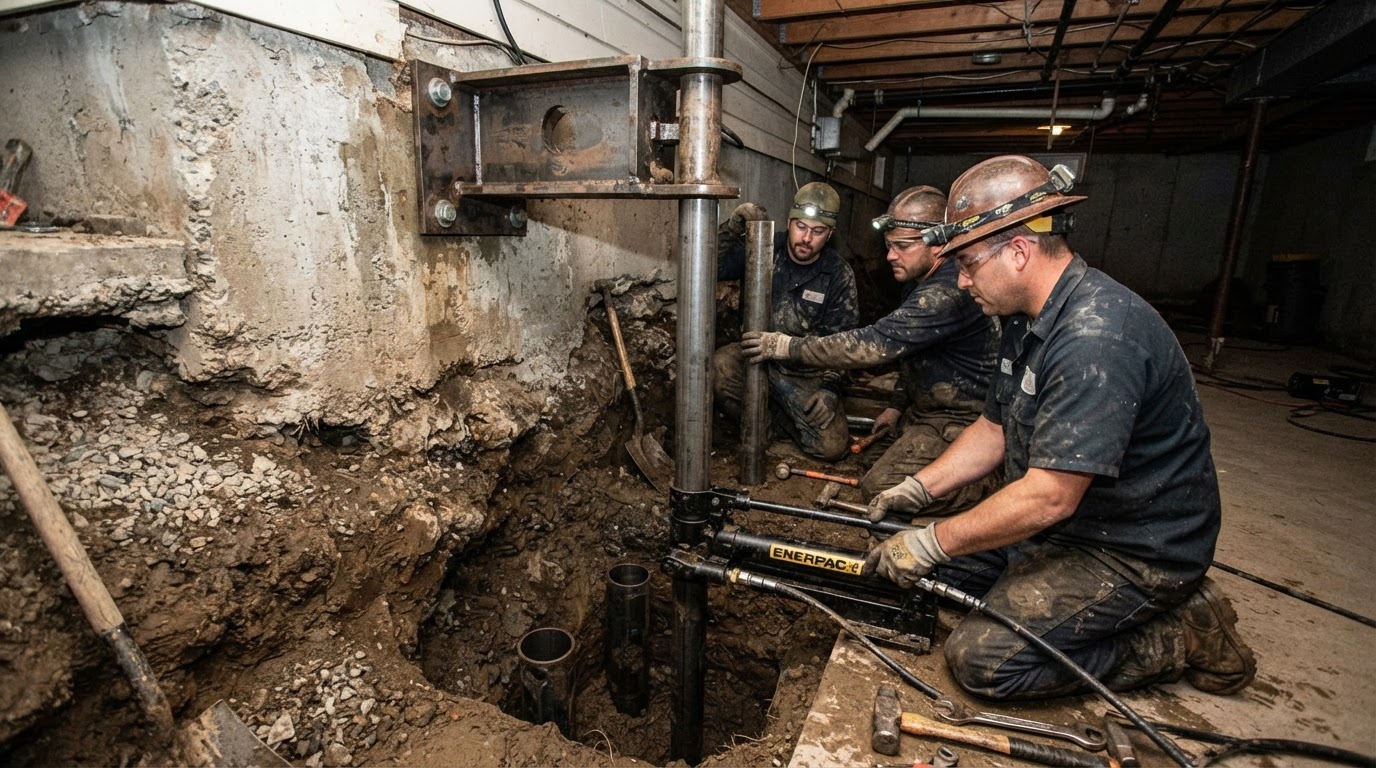
Exterior work like excavation for an exterior membrane or wall anchors is also more comfortable and reliable in fall before the ground freezes. If you've been putting off waterproofing, early fall is the window to aim for.
Winter: Possible, With Limits
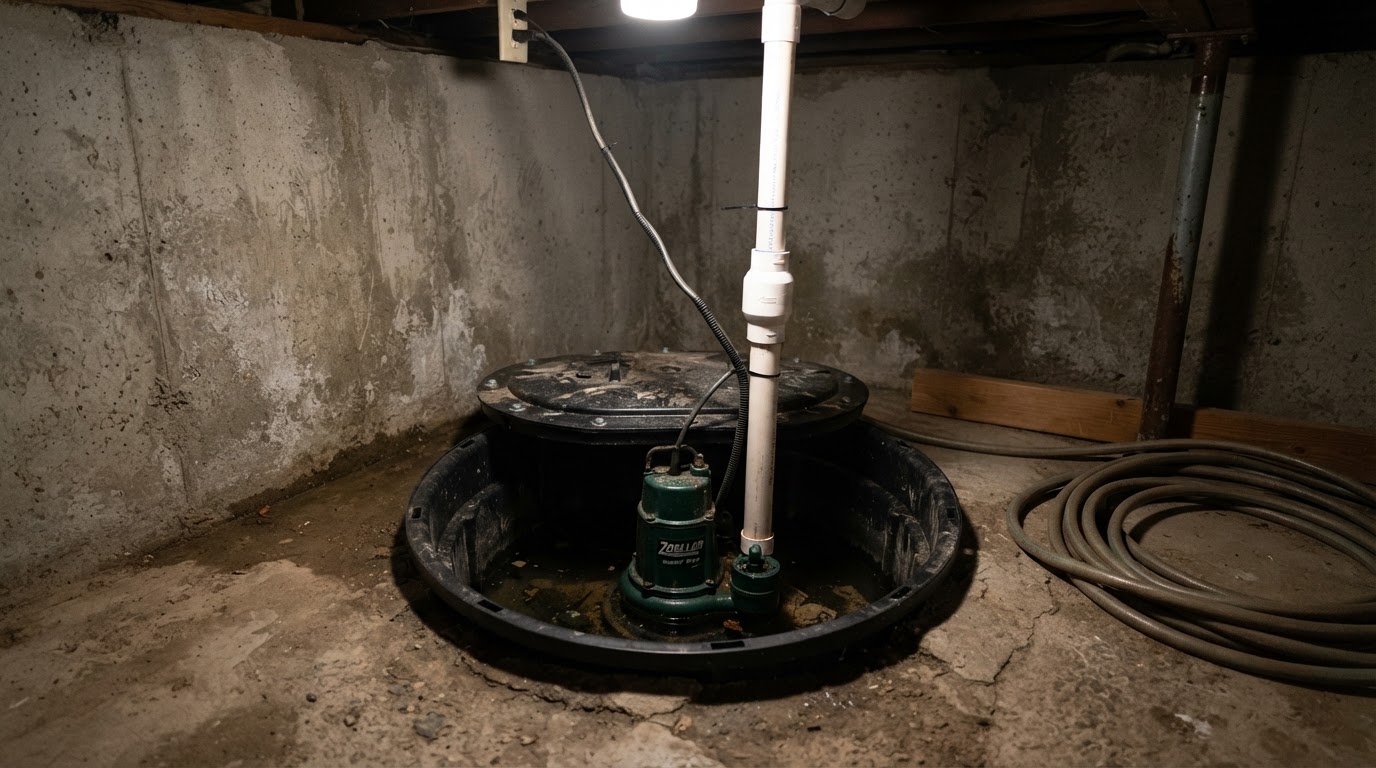
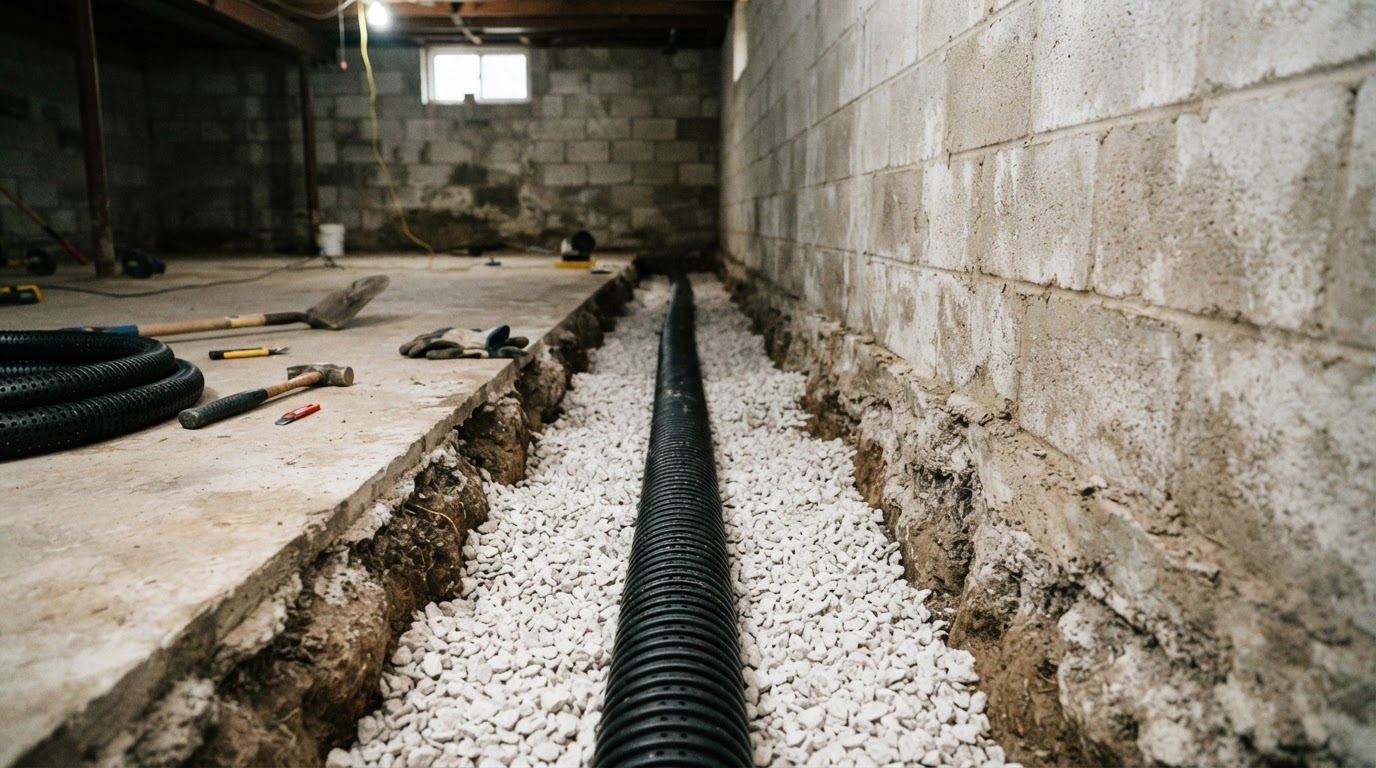
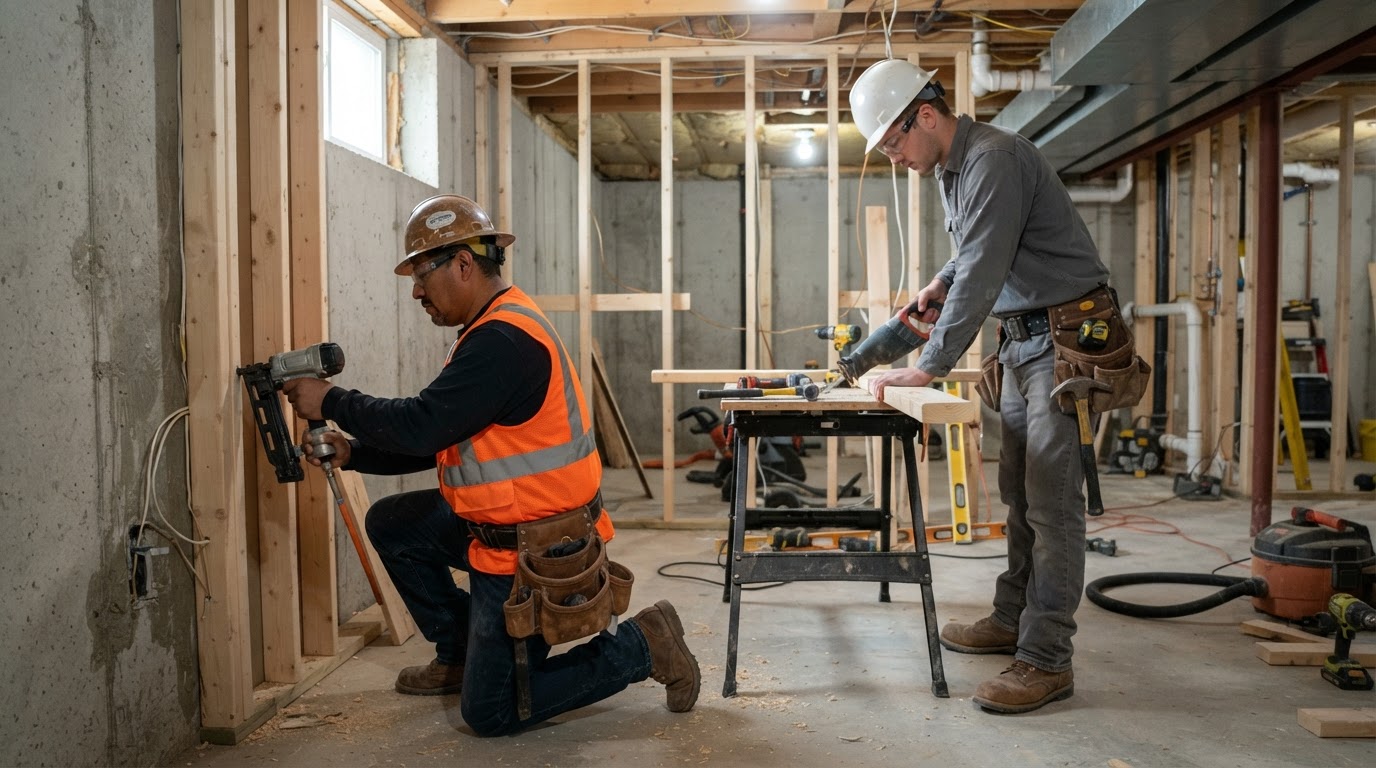
Interior waterproofing — drain tile, sump pump installation, crack injection — can be done in winter because the work is inside. That makes winter a good time to tackle interior projects when demand is lower and scheduling is easier. The catch is exterior excavation: frozen ground makes digging to the footing difficult and more expensive, so exterior waterproofing and wall anchor work are usually better planned for warmer months.
Winter is also the right time to test your sump pump and make sure the discharge line isn't frozen — a frozen line is a common cause of pump failure exactly when you need it. If your pump runs constantly or the line freezes, that's an urgent winter repair.
How to Time It for Your Home
The best time is really about your situation. If you're actively leaking, fix it now regardless of season — waiting only means more damage. If you're planning ahead, aim for late summer or fall to beat the spring rush and get the work done before the next wet season. And whatever the season, address the simple exterior causes first: clean gutters, extend downspouts, grade soil away from the foundation. Those low-cost steps reduce the load on any waterproofing system you install.
Frequently Asked Questions
Can interior drain tile be installed in winter?
Yes. Interior drain tile, sump pump installation, and crack injection are all indoor work, so they can be done in winter. In fact, winter can be a good time because demand is lower and scheduling is easier. The main winter limitation is exterior excavation, which is harder and more expensive in frozen ground.
Is waterproofing cheaper in the off-season?
It can be easier to schedule in the off-season (late fall and winter for interior work), and you avoid the spring rush when demand peaks. Pricing itself depends on the scope of the job, not the calendar, but booking ahead of the busy season often means faster scheduling and less risk of reacting to storm damage.
Should I wait until it's leaking to waterproof?
No — that's the most expensive time. Waterproofing after damage means you're also repairing ruined finishes, stored items, and sometimes mold. If you have warning signs — damp walls, musty smells, efflorescence, a pump that runs often — address it before the next storm. A free inspection can tell you whether you need a full system or just better drainage around the house.